Industry Insights on Window Installation
Professional guidance and industry standards for quality window and door installation
Understanding Energy Efficiency Standards in Window Installation
When evaluating window installation projects, understanding energy performance standards has become essential for both homeowners and professional service providers. Modern window technology combines advanced materials with precision installation techniques to deliver measurable energy savings while improving home comfort.
The foundation of window quality assessment rests on standardized performance ratings that allow direct comparison between products. Research from the National Fenestration Rating Council (NFRC) shows that certified windows can reduce energy costs by up to 30% compared to non-certified alternatives. This data supports the importance of choosing NFRC-rated products for optimal home energy efficiency. Professional installers recognize NFRC certification as the industry standard that validates both product performance and installation quality.
Understanding the specific ratings that define window performance helps inform purchasing decisions. The U-factor measures how well a window insulates, with lower values indicating better thermal performance. Solar Heat Gain Coefficient (SHGC) determines how much solar radiation enters through the glass, important for managing heat gain in warm climates. Visible Transmittance (VT) indicates how much visible light passes through, affecting natural daylighting and interior brightness.
Modern energy-efficient windows can significantly reduce heating and cooling costs while improving home comfort. For more detailed information about certification requirements and climate-specific recommendations, visit ENERGY STAR’s residential windows and doors program. This resource provides comprehensive consumer guides that enhance understanding of which products perform best in different geographic regions and climate zones.
Recent Installation Guidance
Installation Quality Standards
Professional installation techniques directly impact long-term window performance. Proper flashing, insulation, and weatherproofing during installation prevent air leaks and water infiltration that compromise energy efficiency. These technical details determine whether products achieve their rated performance levels in real-world conditions.
Energy Savings Potential
Upgrading to energy-efficient windows delivers measurable heating and cooling cost reductions. The payback period varies based on climate, current windows, and local utility rates. Many homeowners recoup installation costs through energy savings within 7-10 years, with benefits continuing throughout the window lifespan.
Industry Best Practices
Quality window installation begins with proper assessment of existing conditions and home characteristics. Professional installers evaluate your home’s climate zone, current thermal performance, sun exposure patterns, and architectural requirements to recommend appropriate products and installation methods. This consultative approach ensures selections match both performance needs and long-term value objectives.

The selection process should prioritize certified products with proven performance records. Look for windows that carry multiple industry certifications, indicating rigorous testing across performance categories. Reputable manufacturers provide detailed performance data and stand behind their products with comprehensive warranties that reflect quality confidence.
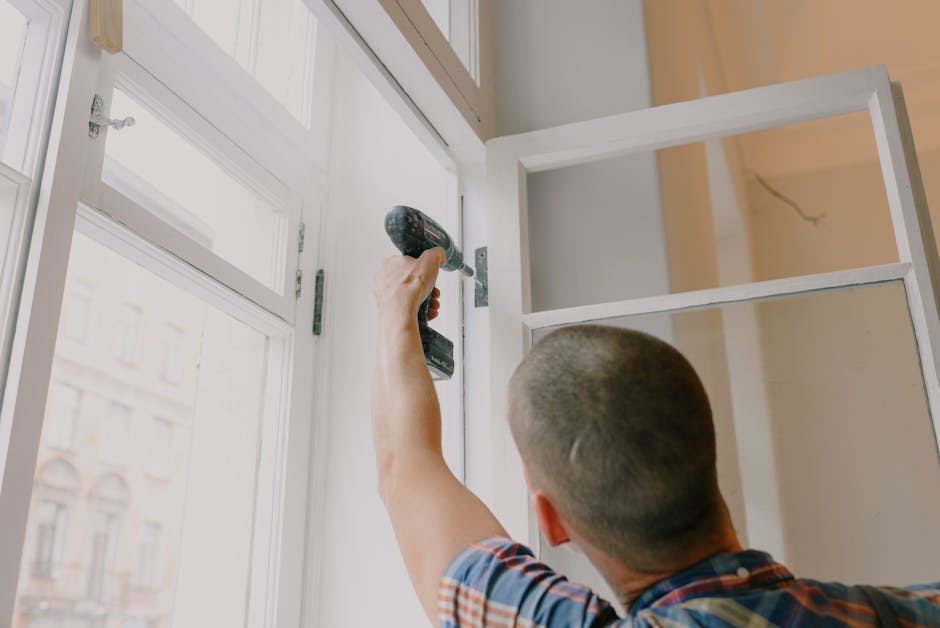
Installation expertise separates successful projects from problematic ones. Professional installers follow industry protocols for flashing, sealing, insulation, and finishing that protect against future moisture damage and air leakage. These techniques require training, experience, and attention to detail that directly impacts performance and durability. Selecting qualified installers with proven track records ensures your investment delivers expected benefits and longevity.
Making Informed Decisions
Window and door installation projects represent significant home investments that deliver years of performance benefits. Understanding industry standards, certification systems, and installation quality factors empowers you to make decisions aligned with your home’s specific needs and long-term goals. Whether focusing on energy efficiency, weather protection, aesthetic upgrades, or enhanced security, selecting properly certified products installed by qualified professionals ensures successful outcomes.
Professional consultation provides opportunity to discuss specific requirements, evaluate product options, review installation timelines, and address concerns before projects begin. This collaborative process builds confidence in selection decisions and helps avoid costly complications or performance disappointments. Quality providers prioritize client education and satisfaction throughout the entire experience.